- Fortaleza: (85) 4011.0909
- Teresina: (86) 3219.1166


Signing up with Love Casino, we were careful—same as anyone would be when you need to provide personal and financial details online https://lovecasinoo.com/. Even before we submitted our email address, we could notice a bunch of safety indicators. The landing page had a valid TLS certificate, the browser address bar showed a closed padlock, and there were no mixed-content warnings anywhere. The registration form itself didn't pry too much. It grabbed only the essentials and made it apparent that extra verification would happen later through a secure document upload area. Obtaining data in stages felt wise from a privacy point of view. It kept exposure low right at the start. We were also required to create a password that hit specific rules: a minimum length, a mix of upper- and lowercase letters, and at least one special character. A strength meter gave live feedback and simply rejected combinations it judged weak. That instant focus on credential quality gave us a great feeling about the rest of what we'd find.
2FA Configuration and Regular Operation
Right after registration, the first thing we took was enable two-factor authentication. The setting sat visibly in the account security settings, not hidden in some corner. That mattered. The platform supports authenticator apps, which we choose over SMS codes because of the whole SIM-swapping problem. We read a QR code with our standard authenticator app, then had to input a six-digit time-based code to finalize. What caught our attention was how quickly the system handed us a set of backup recovery codes. We downloaded those and stored them offline in an encrypted file. The system forced us to verify we'd saved them before 2FA went live. That small nudge avoids people from accidentally locking themselves out with no way back.
In everyday use, the 2FA prompt appears only when you sign in from a new device or browser, or after you've been idle long enough for the session to time out. Implementing the second factor only when risk is higher offers a decent balance. It doesn't nag you on devices you use all the time. We tested what happens when you don't have your authenticator handy. Using one of those backup codes let us in directly, and then the system told us to generate a fresh batch, instantly making the old ones useless. That one-time-use detail carries significant weight because it stops anyone trying to reuse a stolen code. We also appreciated that the dashboard displays the time and date of the last 2FA check. It's a fast way to monitor logins without searching through emails.
Sign-in Surveillance and Irregularity Detection Alerts
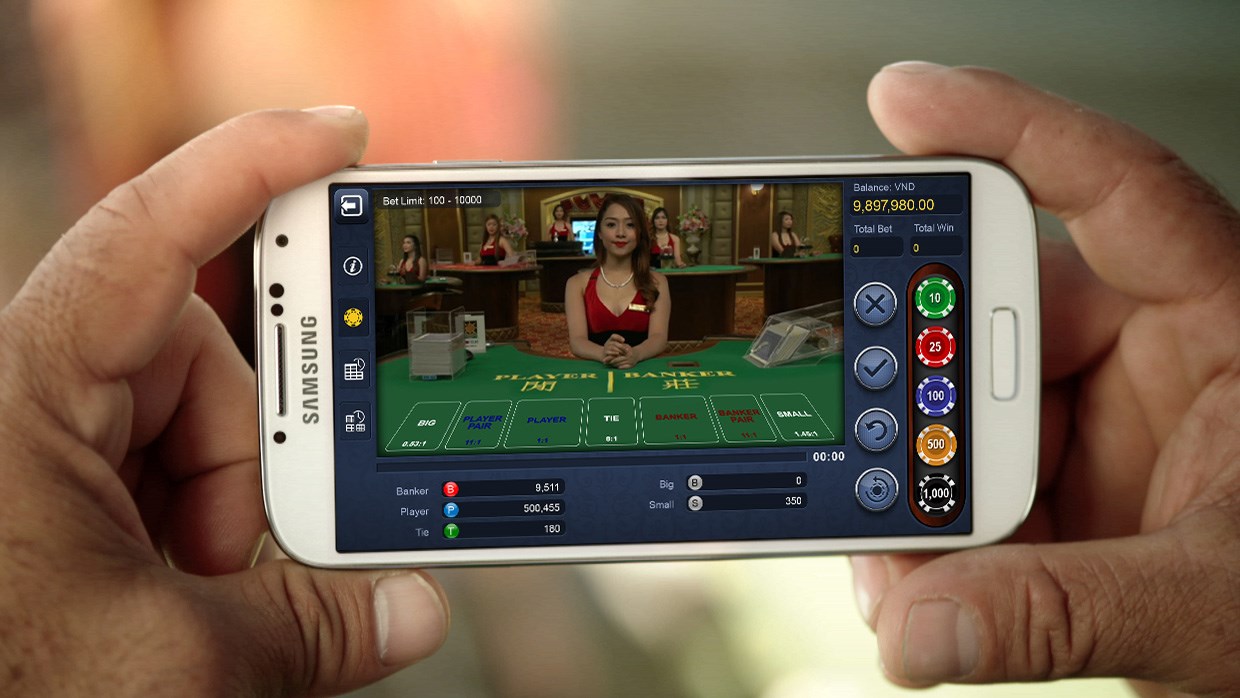
We activated login alerts, and now whenever the account is accessed from a new device or IP address, an email sends out instantly. Those alerts carry a lot of detail: city-level location drawn from the IP, the browser's user-agent string, and the exact timestamp. To see how the system reacts, we deliberately logged in through a VPN server in another country. Within seconds, an alert landed, flagging the login as coming from an unfamiliar spot, with a direct link to review the activity and freeze the account if needed.
The anomaly detection engine appears to build a profile over time, learning when we usually log in, where we typically are, and the fingerprints of our devices. When we ventured far from our normal pattern, the friction escalated. A mildly unusual login just got the 2FA challenge. But when we tried logging in from a brand-new device in a location we'd never visited before, the system demanded both the 2FA code and the answer to a security question we'd set earlier. That adaptive model places resources where the risk is, instead of treating every attempt the same. It's the kind of thing you see in mature security setups.
Session Handling and Inactivity Timeout Policies
We devoted quite a bit of time poking at how Love Casino handles active sessions. Session hijacking is still one of the top ways accounts get broken into, so this matters. The security dashboard lists every session that's currently active: device type, browser, IP address, and even the general geographical location. You can kill any session remotely with one click, and when we tried it, that session was ended immediately without impacting the one we were on. That's granular control you really need if you've ever stayed yourself logged in on a shared computer. The list updates in real time, and we checked that cutting off a session on our phone instantly deactivated the token on our desktop browser.
The automatic timeout can be configured between 15 minutes and 2 hours of inactivity. We landed on 30 minutes, which suits how we use the site without creating a huge window of exposure. When the timeout fires, the screen darkens and a modal appears asking for re-authentication before anything else can happen. We also observed that sensitive stuff like starting a withdrawal or changing the email on the account requires a fresh login step no matter how new the session is. That defense-in-depth approach ensures even if someone grabs an active session, they still can't execute the most damaging actions without the password or a 2FA code.
Safe Gaming Security Setup
What caught our attention was how account security and the responsible gaming tools are integrated. They're not separate chunks. Deposit limits, loss thresholds, session time reminders—all of those settings are guarded by the same authentication checks as financial transactions. When we configured a daily deposit cap, the system required us to re-authenticate to confirm the change. And any attempt to reduce or remove a limit has a waiting period included, one that even customer support can't skip. That cooling-off mechanism blocks the kind of in-the-moment decision that could undo a protective measure you put in place earlier.
The self-exclusion feature receives a serious security treatment. The interface details what will happen and that the exclusion covers all products under the same licence. To activate it, we had to complete the full gauntlet: password and 2FA. That ensures no one else can trigger an exclusion on your account maliciously. Once it's active, trying to create a new account with the same personal details gets blocked right at registration by the KYC cross-referencing. That closed-loop enforcement reflects a genuine commitment to player protection, way beyond meeting a compliance requirement.
Identity Check and Know Your Customer Steps
The KYC process started once our total deposits crossed a certain amount. That's typical for UK-regulated sites, and it didn't feel pushy. We received a message in the app and an email requesting us to send in a government photo ID, a recent utility bill or bank statement for address proof, and a snap of the payment method we'd used for deposits. Everything happened inside the account portal. The upload tool let us to drag and drop files—JPEG, PNG, PDF were all accepted. The connection was encrypted the whole time, and a progress bar showed when the files reached the compliance team's review queue.
Document Processing and Approval Speed
The help docs said to expect a review within 24 to 48 hours, but our documents were accepted in under 12. Instead of a regular email, we had a secure message inside the platform's own message center. That's a smart move. It maintains sensitive approval details away from a possibly compromised email inbox. The message informed us our identity was verified and that our account limits had been updated. One thing that struck us as thorough was the system marking if a document had already been used on another account. That's a solid anti-fraud check. We were also informed that re-verification could happen down the road, especially if we altered our main payment method or if our activity patterns varied a lot.
Re-check Triggers and Ongoing Surveillance
We later discovered that re-verification isn't random. It is based on risk-based algorithms that monitor how the account behaves. When we sought to add a new e-wallet for withdrawals, the system instantly put a temporary hold on that payment method and demanded new proof of ownership. All we had to do was upload a screenshot of the e-wallet dashboard showing our name and the email linked to the account. That lasted maybe a couple of minutes. The hold was removed within two hours after we sent it. That kind of dynamic check ensures security stays current with changes instead of relying on a one-time snapshot that can get stale. We see continuous monitoring as a real plus because it fills the gap that an attacker could use with outdated verification data.
![Mobile Casinos Online 【 2023 】 ⭐ Casinos in Mobile [Top10]](https://smartcasinoguide.com/app/uploads/2020/03/text-best-mobile-online-casinos-and-mobile-phone-casino-games.png)
Customer Support Security Protocols
We assessed the support team to see how the human side of security stands—often the weakest spot even when the technical stuff is solid. When we hit up live chat about a login problem, the agent adhered to a clear verification script before touching any account details. We had to give our full name, date of birth, registered email, and the answer to a security question. The agent never strayed from that list, even when we tried to steer the chat toward account specifics too early. That tells us training is consistent and procedures actually get followed.
We also tested how resistant the support channel is to social engineering. A colleague who wasn't listed on the account tried to request a password reset on our behalf. The support agent denied—politely but firmly—and explained they couldn't help without the account holder's direct involvement. That interaction got logged and flagged. We later received a notification telling us an unauthorized contact attempt had been made, and it gave us the option to add a verbal password as an extra layer. Getting a heads-up about possible reconnaissance is something we've rarely bumped into elsewhere. It points to a security culture that tries to catch threats early instead of just reacting after a breach.
Financial Safety and Withdrawal Safeguards Mechanisms
When we reviewed how the financial side is protected, we identified several levels covering deposits and payouts. Our first deposit went through with a debit card, and the transaction employed a tokenized gateway. That signifies Love Casino's servers never saw or stored the full 16-digit card number. The payment interface only revealed the last four digits and the expiry date, plus it enabled us set each saved card a nickname for quick management. And the CVV code is not retained after the first authorization, which is a basic security practice we always look for when testing any online merchant.
Withdrawal Confirmation and Fraud Prevention Measures
Getting money out required extra steps that appeared reassuring, not annoying. Before our first withdrawal could process, we had to verify the destination bank account with a micro-deposit. Love Casino transferred a tiny random amount to our account, and we had to type the exact number back into the site to prove we controlled that account. That's a clean ownership check. After that, withdrawals to the same verified destination processed without repeating the step, though the system still applies a cooling-off period in place where you can stop the withdrawal if you think something's off.
We also observed that attempting to alter the withdrawal destination to a new, unverified account triggers a mandatory 24-hour security hold. During that time, notifications go out to every contact method on file, and the withdrawal function becomes partly restricted. You're encouraged to reach out support if you didn't authorize the change yourself. That cooling-off window is a strong deterrent against an attacker trying to drain funds. The alerts we received specified exactly which new account details had been submitted, so we could identify anything suspicious right away.
Encryption Standards and Privacy Controls
We performed a technical review on the data encryption using browser dev tools and some external scanners. The entire domain requires HTTPS with HSTS preloading, so there's no chance of a downgrade attack peeling away encryption. The TLS setup performed well on independent tests, employing only modern cipher suites and explicitly turning off old protocols like SSLv3 and TLS 1.0. We also checked that the site's cookies carry the Secure, HttpOnly, and SameSite flags—all combining to reduce the risk of session token theft through cross-site scripting or request forgery.
Inside the privacy dashboard, we discovered controls that go beyond a simple yes/no for marketing. We could control consent for separate purposes: analytics, personalization, promotional profiling. The platform also includes a data export function. We submitted a request for a copy of everything, and within 48 hours we received a structured JSON file containing our full account history—transaction logs, login records, stored personal data. That level of transparency aligns with data portability ideas, and it enabled us to independently check exactly what Love Casino keeps. We also tried the temporary account suspension option. It set the profile into a dormant state where logins were blocked but the data was kept for a period we could set.
Mobile Application Security Aspects
We took the security assessment to the mobile app, loading it on both an iPhone and an Android device. The app requests permissions sparingly—just storage for document uploads and notifications for login alerts. That was good to see. Biometric login is available on both platforms, so we protected the app behind a fingerprint and facial recognition, on top of the standard credentials. The biometric data remains entirely on the device inside the operating system's secure enclave, meaning Love Casino never gets our fingerprint or face scan data.
We examined the app's network traffic and saw it uses certificate pinning. That stops man-in-the-middle attacks even if the device has been fooled into trusting a dodgy certificate authority. The app also signs out after being minimized for a while and invalidates the session token on the server side, so you have to re-authenticate. On Android, we verified the app blocks screenshots when showing sensitive account details—an critical detail that stops malware from swiping data through screen captures. The code obfuscation and anti-tampering measures were beyond our ability to fully dissect, but security audits we read mention regular penetration testing of the mobile clients.
Security Feature Customization and User Management
The protection settings dashboard gives you sufficient control to adjust the security measures to your individual needs. We configure login alerts to ping us by email and push notification for any fresh device entry, while everyday logins from familiar devices proceed without alerts. You can manage the trusted devices list, and we go in now and then to remove old phones and browsers we no longer use. We also activated the option that demands 2FA for all logins, bypassing the default "remember this device" setting. For an account associated with money, that made sense.
- Configurable login alerts with individual device settings and various alert methods
- Recognized device control with the ability to revoke recognition separately or collectively
- Required 2FA override that ignores device trust for peak login protection
- Authentication question change notifications that encourage regular changes to static recovery credentials
- Event history export feature for external auditing of all protection-related activities
We also explored the account activity log. It's a record you can't edit, logging every security event: password changes, email updates, payment method additions, 2FA toggles, and failed login attempts with their IP addresses. You can filter by event type and date range, and we pulled a copy for our own records. The fact that this audit trail can't be erased by anyone—including an attacker who somehow got in—is significant. It gives you the capability to spot and look into unusual activity on your own, without waiting solely on automated alerts. That type of transparency doesn't get enough recognition.
Fique por dentro da JSB
Ver todosSultan Casino Presents Free Spins and Cashback Deals to Players in New Zealand
At Sultan Casino, we realize that the allure of free spins and cashback deals delivers an engaging experience for players in New Zealand. These benefits can greatly enhance our time spent gaming and give us a chance to maximize our funds. But what sets Sultan Casino aside from other choices? To truly value the benefit […]
Saiba maisLive Roulette and Blackjack Gameplay on Winnita Casino in Canada
For Canadian players in search of the exciting atmosphere of a land-based casino from the comfort of home, live dealer games are the pinnacle of online play. At Winnita Casino, this experience is showcased into sharp focus with a stellar selection of live roulette and blackjack tables. We understand that the heart of a great […]
Saiba maisMein Erlebnis: Extremsituationen von Casinova Casino in Österreich getestet
Dieser Auftrag hatte es wirklich in sich. Wir wollten Casinova Casino nicht nur einen Besuch abstatten, sondern bis an seine absoluten Grenzen führen. Auf dem österreichischen Markt, berühmt für harte Regeln und fordernde Spieler, spähten wir speziell nach den Lücken, an denen eine Plattform Schwierigkeiten bekommen könnte – den Edge Cases. Wir wünschten ergründen, was […]
Saiba mais